Understanding the Real Cost of PEB Construction in Jabalpur
When businesses start planning an industrial project, the first question is almost always about cost. Specifically, the cost per square foot of a PEB structure. While this seems like a straightforward metric, the reality is far more complex. The cost of a PEB structure in Jabalpur is not fixed. It varies depending on multiple factors, and misunderstanding these variables often leads to poor budgeting decisions.
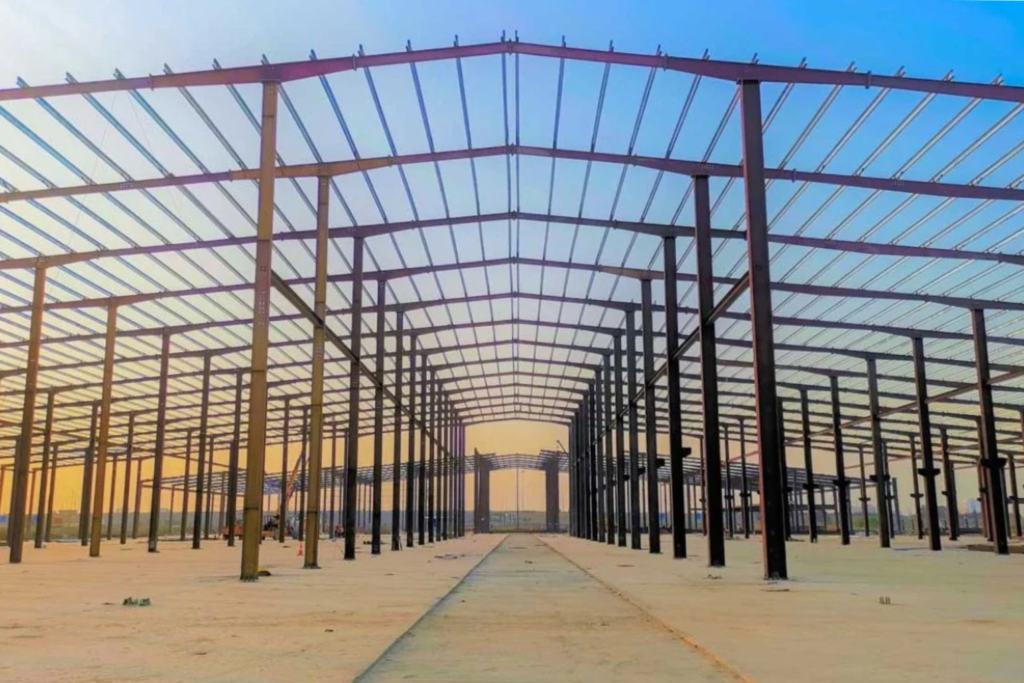
A PEB structure, or pre-engineered building, is designed and fabricated with precision before being assembled on-site. This method reduces construction time and improves efficiency, but the final cost depends heavily on design specifications, material quality, and project scale.
When it comes to PEB structures in Jabalpur, the cost per square foot can vary quite a bit, usually falling somewhere in the middle to higher end of the price spectrum, depending on how complicated the project is. But here’s the thing: just looking at the price per square foot isn’t enough. What’s really important is understanding what’s included in that cost.
When it comes to building costs, the design requirements play a big role. For instance, a basic storage shed is going to be less expensive than a complex manufacturing facility that needs to support heavy loads. The size of the structure, how tall it is, and the layout all impact the price. If you need a large open space, that means you’ll need stronger beams and supports, which drives up the cost of materials. This is because bigger clear spans require more robust structural components to ensure the building is safe and stable. As a result, the cost of materials increases, which in turn affects the overall cost of the project.
The choice of materials can have a big impact on the overall cost of a project. Using high-quality materials, such as sturdy steel and long-lasting sheets, may be more expensive initially, but they will likely last longer and perform better over time. However, opting for cheaper materials can seem like a cost-effective solution at first, but it can ultimately lead to more expenses down the line due to the need for frequent maintenance and repairs, and a shorter lifespan. In the long run, the cheaper option may not be the most budget-friendly choice. It’s a trade-off between paying more upfront for quality materials or paying less initially but facing potential additional costs later on.
The type of roofing and insulation used is crucial. Take factories and industrial buildings, for instance – they often require insulation to maintain a consistent temperature. Although this can be costly, it leads to significant energy savings in the long run. Failing to consider this during the building or design phase can result in increased spending on heating and cooling over time. This is because inadequate insulation allows heat to escape and cold air to enter, putting additional strain on heating and cooling systems. As a result, investing in good insulation, despite the higher upfront cost, can be a wise decision for the future. In fact, it’s an important aspect to think about when creating a space, as it can have a lasting impact on energy efficiency and overall expenses.
Foundation and civil work are often overlooked when calculating PEB costs. While the PEB structure itself may be cost-efficient, the foundation must be strong enough to support it. Soil conditions, site preparation, and foundation design significantly influence the overall budget.
When considering the total cost of a project, it’s essential to factor in labour and installation expenses. Pre-engineered buildings, also known as PEBs, can significantly reduce the amount of on-site work required compared to traditional construction methods. However, the importance of skilled labour cannot be overstated, as the installation process still demands a high level of expertise. If the installation is not carried out correctly, it can have far-reaching consequences for the entire structure. Therefore, hiring individuals with the necessary skills and knowledge is crucial to ensure a successful outcome. This is because a poorly installed structure can lead to a range of problems, from safety issues to costly repairs, which can ultimately outweigh any initial savings. By prioritizing proper installation and hiring skilled workers, you can help guarantee the integrity and longevity of your pre-engineered building.
When calculating expenses, it’s essential to consider transportation and logistics costs, as they can significantly impact your overall budget. These costs can quickly add up, especially if you need to transport materials from multiple locations. However, with careful planning, you can reduce these expenses and allocate your resources more efficiently. By factoring in transportation and logistics costs from the outset, you can ensure that you have a comprehensive budget that covers all aspects of your project, and avoid any unexpected surprises down the line. This will help you stay on track, financially speaking, and make sure you have enough funds to complete your project successfully.
The idea that PEB construction is always the most budget-friendly option is a common misconception. While it’s true that it can be more cost-effective in some cases, the real advantage lies in the long-term savings. By building quickly, you can start operations sooner, which means you can begin generating revenue sooner as well. It’s all about gaining a competitive edge and seeing a return on your investment earlier, rather than waiting for it to materialize down the line. This approach can have a significant impact on your bottom line, allowing you to reap the benefits of your investment sooner and make the most of your resources.
When you think about the money you’ll spend on maintenance, pre-engineered buildings are a great choice. They’re made with good materials and designed well, so they don’t break down as easily. This is a big advantage because it saves you money in the long run – over the whole time you own the building. You get a lot of value from them, and that’s what matters.
GR Group takes a different approach to PEB construction, prioritizing value over price. They achieve this by optimizing every aspect of the process, from design to material usage and execution. This way, clients get structures that not only fit their budget but also deliver high performance. By focusing on value, GR Group ensures that their clients receive the best possible outcome, rather than just the cheapest option. This approach allows them to create cost-effective structures that meet their clients’ needs and expectations.
In Jabalpur’s growing industrial landscape, businesses need to think beyond initial costs. Infrastructure decisions should be based on long-term performance, scalability, and operational efficiency.
When it comes to buildings, the cost per square foot is just the beginning. What really counts is the overall value that the structure brings to the table. A well-designed pre-engineered building, or PEB, can do more than just save you money – it can actually boost productivity and help your business grow. By providing a functional and efficient space, a PEB building can have a positive impact on your bottom line, making it a smart investment for any business.