The textile industry is one of Indias job creators and helps the countrys economy grow.
It includes steps like processing cotton, spinning, weaving, dyeing making clothes and finishing fabrics.
The industry needs factories to stay productive and make high-quality products.
Why Modern Textile Factories Matter
With more people buying products and export opportunities growing textile manufacturers need factories that are efficient well-organized and have good ventilation.
These factories must also focus on worker safety using energy wisely and being able to grow in the future.
Jabalpur: A Growing Industrial Hub
Jabalpur in Madhya Pradesh is becoming an industrial destination due to its location improving infrastructure, skilled workers and growing manufacturing sector.
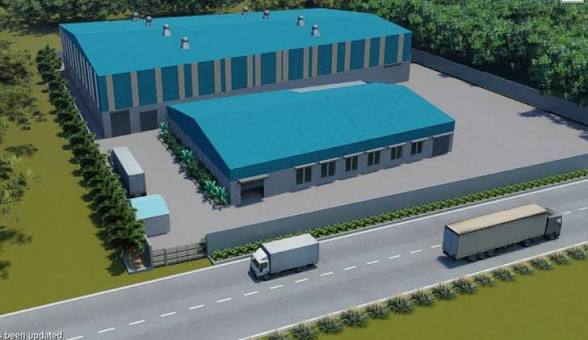
Investors setting up textile factories need buildings that can support large production areas, warehouses, offices and logistics.
The Need for Specialized Industrial Buildings
Textile factories have needs than regular commercial buildings.
They house machines like spinning machines. Dyeing units, which require carefully planned layouts to maximize productivity.
Challenges with Traditional Buildings
buildings often become inefficient as production increases because they restrict machinery placement and future expansion.
Common challenges include space, poor ventilation and higher maintenance costs.
Benefits of PreEngineered Buildings (PEBs)
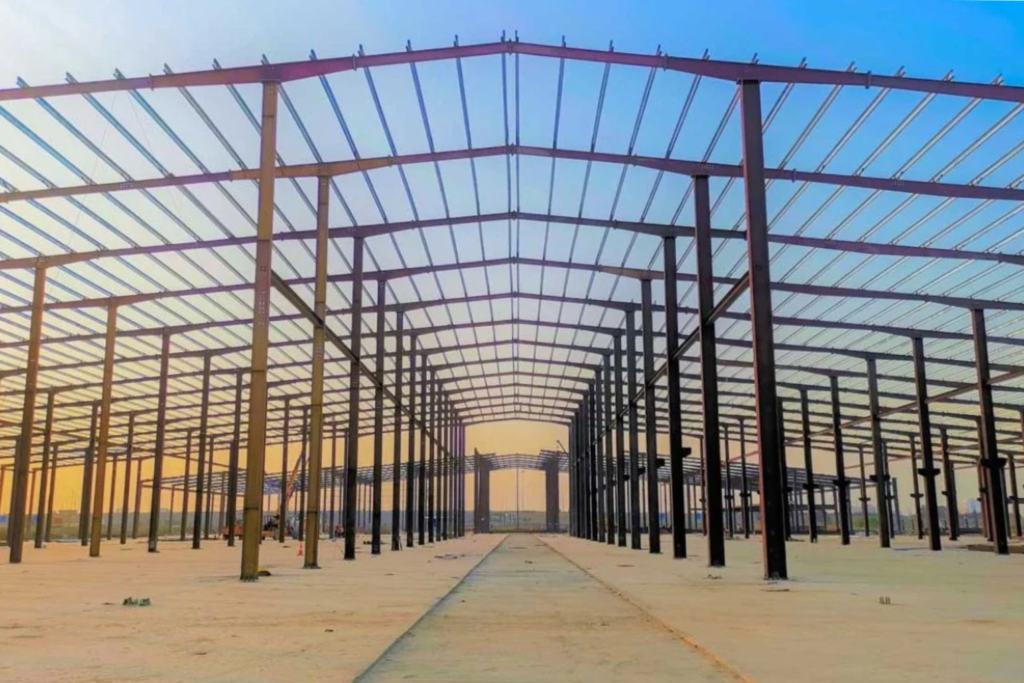
Modern PEBs provide faster construction, better structural performance, lower maintenance costs and flexibility making them ideal for textile factories.
They allow for production facilities that improve efficiency while supporting future growth.
Why PEB Buildings Are Ideal for Textile Manufacturing
Textile factories need buildings that combine strength, flexibility and cost efficiency.
PEB buildings provide long-term advantages, including faster project completion, lower maintenance costs and easy future expansion.
Steel Structures for Heavy Machinery
textile factories use heavy machines that require strong structural support.
Steel structures provide wide interiors that maximize production efficiency and allow for easy maintenance and future expansion.
Warehouse Infrastructure
Textile factories need storage for materials and finished products.
Warehouses specifically designed for textile inventory management improve production efficiency. Minimize losses.
Precision Fabrication
The strength and durability of buildings depend on fabrication quality.
Professional fabrication ensures that every structural member is manufactured accurately affecting installation quality, durability and maintenance requirements.
Factory Layout Planning
Factory layout directly influences production efficiency, product quality, labor productivity and operational costs.
A planned workflow minimizes unnecessary material movement. Improves manufacturing efficiency.
Industrial Roofing Solutions
Textile factories generate heat making it essential to regulate temperatures.
Energy-efficient roofing systems electricity consumption, improve production efficiency and provide several important advantages.
Planning for Future Expansion
Indias textile industry continues to expand and modern textile factories should be designed with growth, in mind.
PEB buildings allow for expansion without interrupting existing production enabling textile manufacturers to respond rapidly to increasing market demand.
A engineered textile manufacturing facility becomes a valuable long-term business asset capable of supporting sustainable industrial growth.
Textile manufacturing plants are always running with machines like spinning machines weaving looms, knitting machines and boilers. These machines make a lot of heat so it is very important to control the temperature to keep the products good the workers. The machines working well.
This is why PUF panel roofing in Jabalpur is very popular for textile industries.
Many businesses are searching online for PUF panel roofing near me. They are investing in insulated roofing because it helps to reduce heat and save electricity throughout the year.
PUF panel roofing has a core that is sandwiched between two strong metal sheets. This helps to keep the temperature inside the building stable and makes the building energy efficient.
The main advantages of PUF panel roofing are:
- It keeps the temperature stable
- It reduces the cost of cooling
- It makes the working environment comfortable
- It helps the machines to work better
- It reduces noise during rainfall
- It lasts for a long time
For textile manufacturing plants insulated roofing is very good because it creates a perfect environment for production and reduces the cost of operation in the long run.
Galvalume roofing sheets are also very popular for buildings in Jabalpur.
Textile factories are always exposed to sunlight, heavy rainfall and changing weather conditions.
Galvalume roofing sheets are very strong and can resist corrosion so they are very popular.
Many businesses are searching for Galvalume roofing sheets near me because they provide protection from the weather and require very little maintenance.
The main advantages of Galvalume roofing sheets are:
- They resist corrosion
- They protect from the weather
- They are very strong
- They look very good
- They last for a long time
- They require little maintenance
For textile factories Galvalume roofing sheets are very good because they protect the machines and make the building last longer.
To get the roofing system it is very important to choose a good supplier.
The performance of the roofing system depends on the quality of the materials.
A good supplier in Jabalpur can provide high-quality materials that meet the industry standards.
When searching for a supplier near me businesses should look for:
- The quality of the materials
- The certifications of the products
- The thickness of the sheets
- The quality of the coating
- The technical support
- The warranty
Working with a supplier ensures that the roofing system will last long and require very little maintenance.
Professional installation is also very important for the roofing system.
Even the best materials require installation to work well.
If the installation is not done correctly it can cause problems like leakage, seepage and corrosion.
A professional metal roofing contractor in Jabalpur follows the engineering standards and manufacturer specifications to ensure that the installation is done correctly.
An experienced contractor can provide:
- alignment of the sheets
- Waterproof sealing
- Secure fastening
- Installation of expansion joints
- Efficient drainage systems
- Long-term reliability
Hiring a contractor is very important to protect the machines and make the roofing system last longer.
Textile manufacturing plants require building envelope systems, not just ordinary roofing.
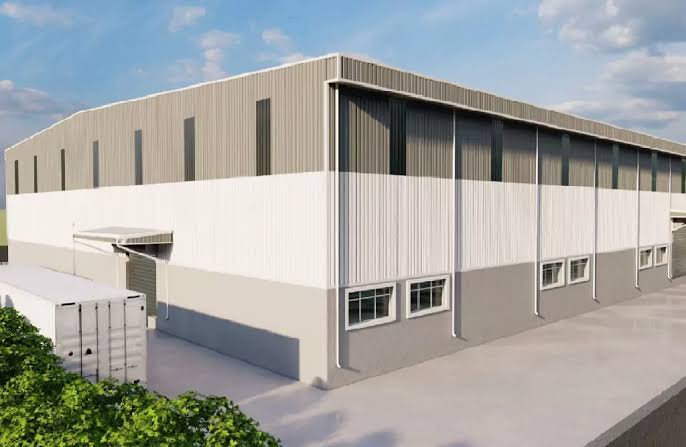
Roofing and cladding solutions in Jabalpur combine insulated roofing with durable wall cladding to improve thermal efficiency, weather protection and factory aesthetics.
Many businesses are searching for roofing and cladding solutions near me because they provide value in the long run.
Integrated roofing and cladding systems provide:
- Better thermal insulation
- Improved weather protection
- Enhanced appearance
- maintenance costs
- Higher energy efficiency
- Longer building lifespan
For textile factories complete building envelope systems are very good because they improve production conditions and reduce operating costs.
Industrial cladding is also very important for textile manufacturing plants.
It protects the building from dust, moisture and environmental exposure. Improves insulation performance.
A professional industrial cladding contractor in Jabalpur can design wall systems that meet the needs of textile manufacturing environments.
Many businesses are searching for a cladding contractor near me because they want durable low-maintenance and energy-efficient cladding systems.
Modern industrial cladding provides:
- Better thermal insulation
- Protection from dust and moisture
- Improved appearance
- maintenance requirements
- Higher energy efficiency
- Longer lifespan
Industrial cladding enhances both the appearance and operational efficiency of textile manufacturing facilities.
As textile businesses grow they often expand into operations like garment manufacturing, fabric processing and textile export.
This expansion has increased the demand for shed construction in Jabalpur.
Many businesses are searching for shed construction near me because they need integrated industrial campuses that can support manufacturing, warehousing, administration and logistics.
Commercial steel buildings are very flexible. Can be designed to meet the needs of textile manufacturers.
Pre-engineered buildings are also very popular for textile manufacturing plants.
They offer advantages over conventional RCC buildings.
The main advantages of -engineered buildings are:
- Faster construction
- Large clear-span production areas
- Easy expansion
- maintenance costs
- Better return on investment
A pre-engineered building manufacturer in Jabalpur can design textile manufacturing facilities that meet the needs of the industry.
Many businesses are searching for a -engineered building manufacturer near me because they want to invest in modern infrastructure that can support their growth.
The future of textile manufacturing infrastructure in Jabalpur is very promising.
The industry is evolving with technologies like automation, sustainable manufacturing and digital production systems.
Future textile manufacturing facilities will adopt technologies like AI-based production monitoring, smart fabric inspection systems and automated material handling.
Jabalpur is well-positioned to become a textile manufacturing destination due to its growing industrial infrastructure and expanding manufacturing ecosystem.
Businesses that invest in infrastructure today will be competitive in the future.
To build a textile manufacturing plant it is very important to choose the right construction partner.
A professional industrial construction company should provide services including structural engineering, industrial planning, steel fabrication and turnkey project execution.
A reliable construction partner ensures that the project is completed on time and the building is designed to meet the needs of the industry.
By partnering with a construction company businesses can develop world-class textile manufacturing facilities that maximize operational efficiency and minimize maintenance costs.
In conclusion the textile manufacturing industry is very important in India and modern infrastructure is crucial for its growth.
Textile manufacturers require buildings that provide efficient layouts organized storage, reliable roofing systems and flexibility, for future expansion.
By investing in infrastructure businesses can improve their productivity, product quality and competitiveness.
Jabalpur is a growing hub and investing in scalable infrastructure provides textile manufacturers with a significant competitive advantage.
A designed textile factory is a strategic business asset that improves operational efficiency protects valuable machinery and inventory and supports sustainable industrial growth.