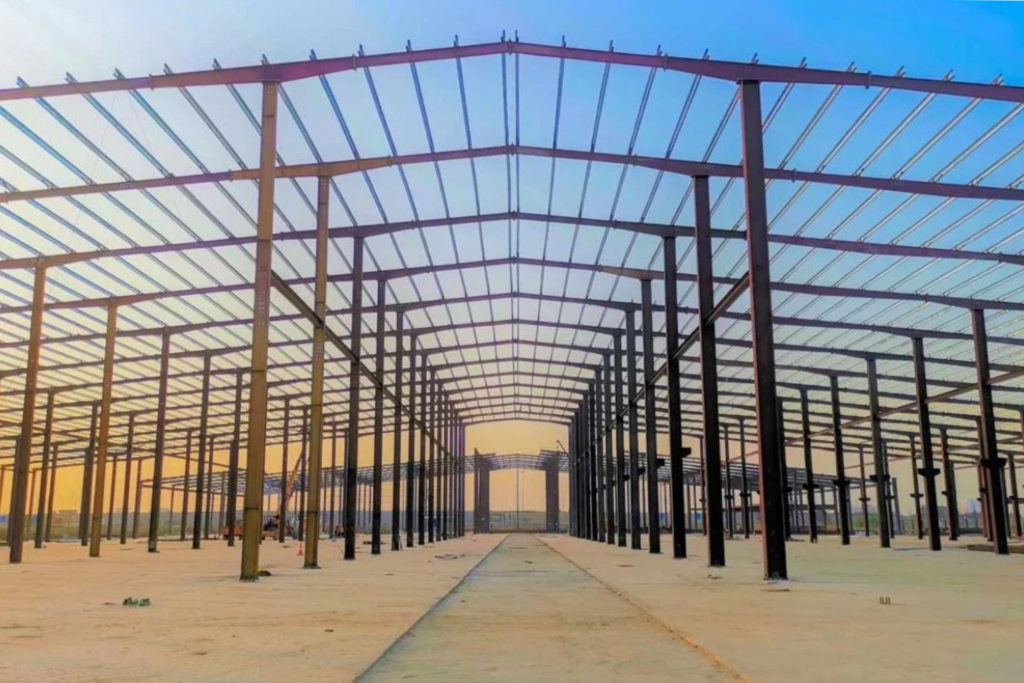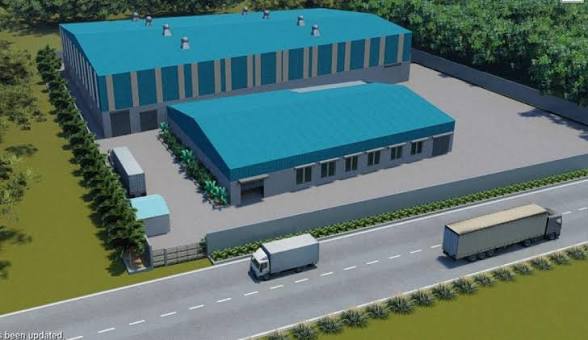
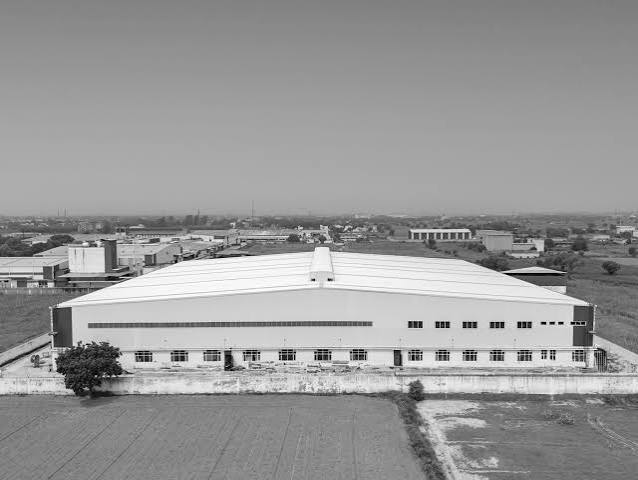
Industrial buildings, factories, warehouses and commercial facilities need roofing systems that do more than provide protection from rain and sunlight. The roof also plays a role in managing indoor temperatures improving working conditions and protecting stored materials and equipment.
In regions such as Rourkela, where buildings experience temperature variations and monsoon rainfall choosing suitable roofing and insulation materials is an important part of industrial planning. One solution businesses can consider is bubble insulation for roofs in Rourkela.
Bubble insulation is an insulation material commonly used in roofing applications to help reduce radiant heat transfer. It generally consists of foil layers combined with an air-bubble layer. When selected and installed correctly it can support thermal management in industrial sheds, warehouses, factories and commercial buildings.
Whether you are constructing an industrial shed or upgrading an existing roof understanding how bubble insulation works can help you make a more informed decision.
In this guide we will cover the benefits, applications, working principle, installation considerations, cost factors and important points to consider when choosing bubble insulation for your roofing project in Rourkela.
What Is Bubble Insulation?
Bubble insulation is a reflective insulation material designed to help reduce heat transfer through building roofs and other suitable surfaces.
It commonly consists of one or more layers of aluminium foil with a polyethylene air-bubble core. The reflective surface helps reduce heat transfer when installed with an appropriate air space while the bubble layer contributes to the overall insulation system.
Unlike bulky insulation materials bubble insulation is relatively thin and lightweight. This makes it a practical option for evaluating in industrial and commercial roofing arrangements.
Bubble insulation is commonly considered for:
- Industrial sheds
- Factory roofing
- Warehouses
- buildings
- Workshops
- Storage facilities
- Agricultural structures
- Metal roofing systems
For businesses looking for bubble insulation in Rourkela, the most important consideration is whether the material is suitable for the roof configuration, environmental conditions and intended performance requirements.
How Does Bubble Insulation Work?
To understand the benefits of bubble insulation it is important to understand how heat enters a building.
Heat can transfer through three mechanisms:
- Radiation: Heat travels through waves, such as solar energy reaching a roof.
- Conduction: Heat moves through materials that’re in direct contact with one another.
- Convection: Heat transfers through the movement of air or other fluids.
Metal roofing sheets can become hot when exposed to sunlight. Some of this heat can transfer towards the buildings interior.
Bubble insulation is designed to help reduce heat transfer through its reflective foil surface. The air-bubble layer also contributes to the insulation assembly.
For insulation to work effectively installation details matter. The reflective surface generally needs an air gap to provide its intended radiant barrier function. If the material is compressed or installed incorrectly its performance may be reduced.
It is also important to understand that bubble insulation does not eliminate heat or guarantee a fixed temperature. Actual results depend on roof design, material specifications, ventilation, air gaps, installation quality and environmental conditions.
Why Is Bubble Insulation Useful for Industrial Roofs in Rourkela?
Industrial buildings often have metal roof surfaces that receive direct sunlight throughout the day. This can contribute to heat accumulation inside the facility particularly when ventilation is insufficient.
Bubble insulation can be considered as part of a roofing and thermal management strategy.
1. Helps Reduce Radiant Heat Transfer
One of the reasons businesses consider reflective bubble insulation is its ability to reduce radiant heat transfer through suitable roofing assemblies.
The reflective foil surface helps reflect energy rather than absorbing and transmitting all of it towards the interior.
This can be useful in factories, workshops and storage buildings where roof heat’s an important concern.
2. Supports Better Indoor Comfort
High indoor temperatures can make industrial working environments uncomfortable in buildings with extensive metal roofing.
When combined with ventilation and an appropriately designed roofing system bubble insulation may help improve indoor thermal conditions.
For factories in Rourkela this can be a consideration when planning employee workspaces and operational areas.
3. Lightweight Roofing Solution
Bubble insulation is generally lightweight compared with traditional insulation systems.
Its low weight can make it suitable for evaluating in metal roofing applications where adding load to the roof structure is a concern.
However the selected products weight and installation arrangement should always be checked against the roofing systems design requirements.
4. Suitable for Different Building Applications
Bubble insulation can be considered for industrial and commercial applications.
Depending on the product specification and installation method it may be used in factories, warehouses, workshops, industrial sheds and other buildings with roof configurations.
5. Helps Improve Roofing Performance
A roof should be planned as a complete system. Roofing sheets, insulation, ventilation, drainage and installation quality all influence its performance.
Bubble insulation can form one part of this system helping address heat transfer while other components manage rainwater, air circulation and structural requirements.
Major Applications of Bubble Insulation in Rourkela
Bubble insulation has potential applications across industrial and commercial buildings. The correct choice depends on the roof design and the purpose of the facility.
1. Industrial Sheds
Industrial sheds often use metal roofing sheets because they provide a roofing option for large covered spaces.
However metal roofs can become hot under sunlight. Bubble insulation can be evaluated as a layer to help reduce radiant heat transfer.
For sheds in Rourkela the insulation arrangement should be planned along with the roof structure fixing system and ventilation provisions.
2. Factory Roofing
Factories may generate heat through machinery, production processes and equipment.
Installing roof insulation can be one part of improving indoor thermal conditions. Bubble insulation may be considered where its reflective properties and product specifications match the project requirements.
For facilities with internal heat generation insulation should be assessed alongside mechanical or natural ventilation systems.
3. Warehouse Roofing
Warehouses often store materials, finished goods, packaging and equipment.
Temperature conditions inside the building may affect storage suitability depending on the type of goods being stored.
Bubble insulation can be evaluated for warehouse roofing where reducing heat transfer is desirable. Businesses storing temperature- products should assess whether a more comprehensive thermal control system is necessary.
4. Commercial Buildings
Commercial buildings with metal roofing may also benefit from insulation arrangements.
Workshops, covered spaces and service facilities can consider reflective insulation where roof heat contributes to uncomfortable indoor conditions.
5. Agricultural Structures
Certain agricultural storage and covered structures use metal roofing to protect equipment, materials and other goods.
Bubble insulation may be considered where suitable. Product selection should account for humidity, moisture exposure and the specific requirements of the building.
Bubble Insulation vs Traditional Roofing Insulation
Businesses often compare bubble insulation with insulation materials before selecting a roofing solution.
The right option depends on the projects requirements, available space, budget and building design.
| Comparison Factor | Bubble Insulation | Conventional Bulk Insulation |
|—|—|—|
| Structure Reflective foil with an air-bubble layer | Fibrous, foam-based or other insulating material |
| Weight | Generally lightweight | Varies by material |
Main thermal mechanism | Primarily reflective radiant barrier performance | Often resistance to heat transfer |
| Installation | Requires suitable fixing and air-gap arrangements | Depends on the insulation type |
| Space requirements Relatively thin | Varies by thickness and material |
Suitable applications | Selected metal roofing systems and other suitable assemblies | Roofs, walls and other building applications |
These materials do not perform identically. Reflective bubble insulation is not automatically a replacement for every conventional insulation product.
For a building requiring a specified resistance the insulation system should be selected using documented product performance data and the projects design requirements.
Factors to Consider Before Buying Bubble Insulation in Rourkela
Selecting the bubble insulation is not simply about choosing a product based on appearance or price. Its suitability depends on technical details.
1. Material Quality
Check the quality of the foil, bubble core joining layers and overall product construction.
Ask for product specifications and technical documentation before purchasing. The material should be suitable for the intended roofing application. Expected environmental exposure.
2. Number of Layers
Bubble insulation products are available in configurations, including single-sided and double-sided reflective arrangements.
The number of layers and product construction can influence performance, durability and cost.
Do not assume that a product with layers will automatically be the best choice. Compare documented performance specifications and installation requirements.
3. Reflective Surface
The reflective surface is a part of a radiant barrier system.
Check whether the product is designed for the proposed installation method and whether its surface requires any handling or protection.
The reflective surface should remain in the intended condition during installation.
4. Air Gap Requirements
A reflective insulation system generally needs an air space adjacent to its reflective surface to achieve its intended radiant barrier performance.
The required arrangement depends on the product design and roofing assembly.
Incorrect installation, including compressing the material or eliminating the air space can reduce its effectiveness.
5. Moisture and Condensation Management
Rourkela experiences monsoon conditions so moisture management should be considered during roofing design.
The insulation system should be installed in a way that accounts for roof leakage, condensation risk and ventilation.
Bubble insulation should not be treated as a substitute, for waterproofing or rainwater drainage.
6. Fire and Safety Specifications
Industrial buildings must think about the fire performance of all materials used for roofs and insulation.
Look at the fire-test details from the manufacturer the standards the product meets. If it is right for the buildings use.
The whole roofing system needs to follow the rules for the project and building safety.
Bubble Insulation Installation: What Should Businesses Know?
Getting the installation right is very important to get the performance that is expected from bubble insulation.
Even a good product might not work well if the installation is not done properly.
Here are some important things to remember.
Step 1: Check the Current Roofing System
Before starting look at the roof sheets the parts that support the roof and how the roof is in general.
Any leaks, rust, broken fasteners or other structural problems need to be fixed
Putting insulation on a roof that has problems will not fix those problems.
Step 2: Choose the Right Installation Method
The way to install depends on how the roof’s set up the type of insulation and the structure.
The reflective side, the space between the roof and insulation and how it is held in place should be checked using the instructions from the manufacturer.
Step 3: Make Sure the Insulation is Secure
The insulation needs to be held in place with the parts without damaging the material.
The way the pieces are overlapped and joined should follow the instructions so the roof is covered properly.
Step 4: Look at the Joints and Edges
The joints, where the pieces are put together and the edges should be checked to make sure the installation is even.
If the joints are not done properly there could be gaps that lower the performance of the whole insulation system.
Step 5: Check the Final Installation
After the work is done look at how it’s fixed the reflective surface, the joints and any areas where the material might have been damaged.
The roof should also be checked for how water drains and how air moves through it.
For industrial buildings the installation should be planned and watched by people who know how the insulation system works.
Bubble Insulation Cost in Rourkela: What Affects the Price?
The price of bubble insulation in Rourkela depends on the details of the product and the size and how complicated the roof is.
There is not one price that works for every building.
The following things can change the cost.
1.. How it is put together: Different ways of building the product and how it is arranged can cost amounts.
2. Quality of the surface: The quality and details of the part can change the cost of the material.
3. How big the roof is: Larger roofs need insulation and might have different installation needs.
4. How complicated the installation is: The height of the roof how sloped it is, how easy it is to get to and how it is fixed can change the cost of labor and installation.
5. Extra parts and materials for joining: Things like tapes, fasteners and other parts needed for installation can add to the cost.
6. Getting it delivered: How far it has to be taken how much material and how easy it is to get to the site can change the price.
When looking at prices for bubble insulation companies should look at the details of the product what is included in the installation. How well it works rather than just choosing the cheapest option.
How to Choose the Right Bubble Insulation Supplier in Rourkela
Picking a supplier for bubble insulation is important to make sure the material fits what the roof needs.
Before choosing a supplier think about these things:
- Look at the product details and the technical information.
- Know how the insulation is made and if it is right for how it will be used.
- Ask for the performance and fire-test papers.
- Make sure the way it is installed and the space between it and the roof are clear.
- Think about how the material works in the local weather.
- Compare prices for the details.
- Make sure you understand who is responsible for delivering, supplying and installing the product.
A good supplier should be able to explain what the product is for and give details about what it can and cannot do.
Why Choose GR Group for Bubble Insulation and Roofing Solutions?
Picking the insulation is just one part of making a good roofing system. The roof panels, the structure, the way air moves and how it is put in place all need to work
GR Group has solutions for buildings and roofing including bubble insulation, metal panels, pre-engineered buildings, steel sheds, ventilators and storage floors.
These options can be used for buildings, factories, warehouses and other places depending on what is needed.
For companies looking at bubble insulation in Rourkela it is important to look at the size of the roof what kind of roof there already is what kind of insulation is needed and how it will be put in place before choosing a solution.
GR Group can help companies look at the roofing and industrial building options based on what they need.
Frequently Asked Questions About Bubble Insulation in Rourkela
1. What is bubble insulation used for?
Bubble insulation is often used in the kinds of roofs to help stop heat from coming in. It is used for buildings, factories, warehouses and other places with the right kinds of roofs.
2. Is bubble insulation good for metal roofs?
Yes bubble insulation can work with metal roofs if the product and how it is put in place match. Making sure the way it is fixed and the space next to it is right is important.
3. Does bubble insulation help keep the inside of a factory cooler?
It can help stop heat from coming in through the roof. The actual temperature inside depends on things like how the roof is made how air moves how good the insulation is and what is happening outside.
4. How much does bubble insulation cost in Rourkela?
The price depends on how the product’s made the reflective surface, the size of the roof the extra parts, how hard it is to install and how far it has to be delivered. A quote for the project is needed for an exact cost.
5. Can bubble insulation be put on a roof?
It might be possible depending on how the roof’s now how it is built and how much space there is. The roof needs to be checked before the installation.
6. Is bubble insulation able to stop water?
Bubble insulation should not be used where water could get in. Good roof panels, sealed areas and drainage are needed to stop water from getting into the building.
7. Does bubble insulation need space next to it?
Reflective insulation usually needs a space next to the side to work well. The exact way it is put in place depends on the product and the roof.
8. Is bubble insulation good for warehouses?
It can be used for the kind of warehouse roofs where stopping heat from coming in is important. Warehouses that have things that need a temperature might need a better system to control the heat.
End Note
A good roof system is important for making sure an industrial or commercial building works well. While the roof panels protect from the weather the right insulation can help control heat and make the inside more comfortable.
If you are looking for bubble insulation for roofs in Rourkela pay attention to the quality of the material how well it reflects heat the space it needs the way it is put in and how it works with your roof.
GR Group has bubble insulation, metal panels, pre-engineered buildings, steel sheds, ventilators and storage floors, for industrial and commercial uses.
Whether you are building an industrial building or improving an old factory or warehouse roof talk to GR Group to talk about what you need and find the right roof and insulation options.