When planning an Industrial shed, one of the most common dilemmas business owners face is choosing betweenMS structures and Pre-Engineered Buildings. On the surface, both may seem similar because they involve steel construction, but the difference in performance, efficiency, and long-term value is significant.
Mild steel structures have been a staple in industrial construction for ages. They’re typically built using standard steel sections that are cut and welded together on site. This method relies heavily on manual labor and site conditions. While it’s gotten the job done for industries in the past, it’s starting to reveal its limitations, especially in today’s fast-paced world where speed and efficiency are key. The traditional approach is becoming outdated, and it’s time to consider new methods that can keep up with the demands of modern construction.
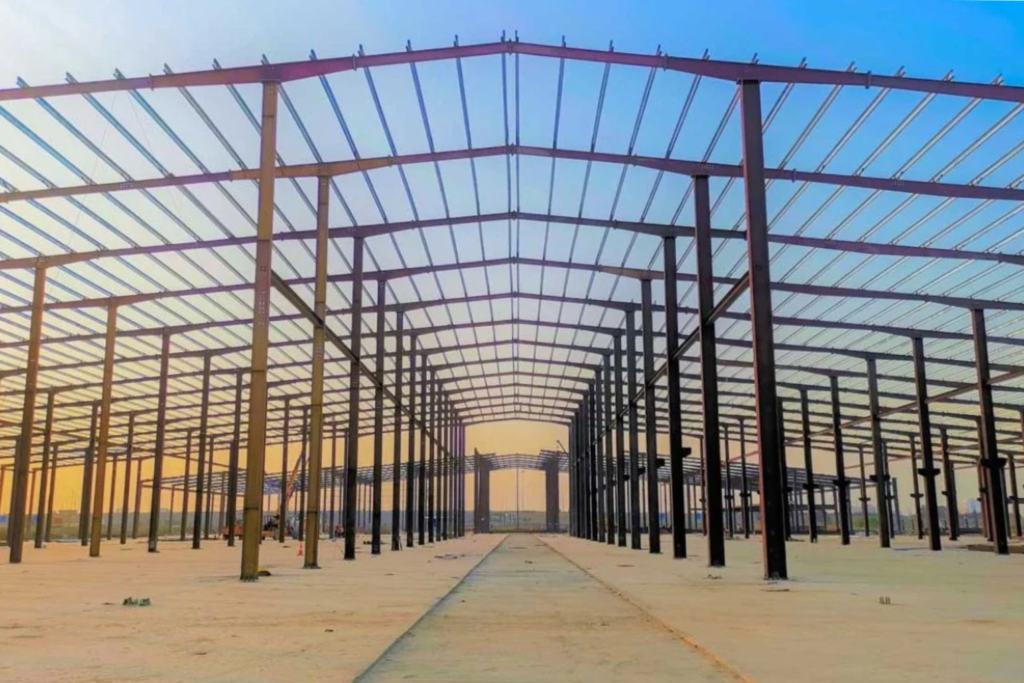
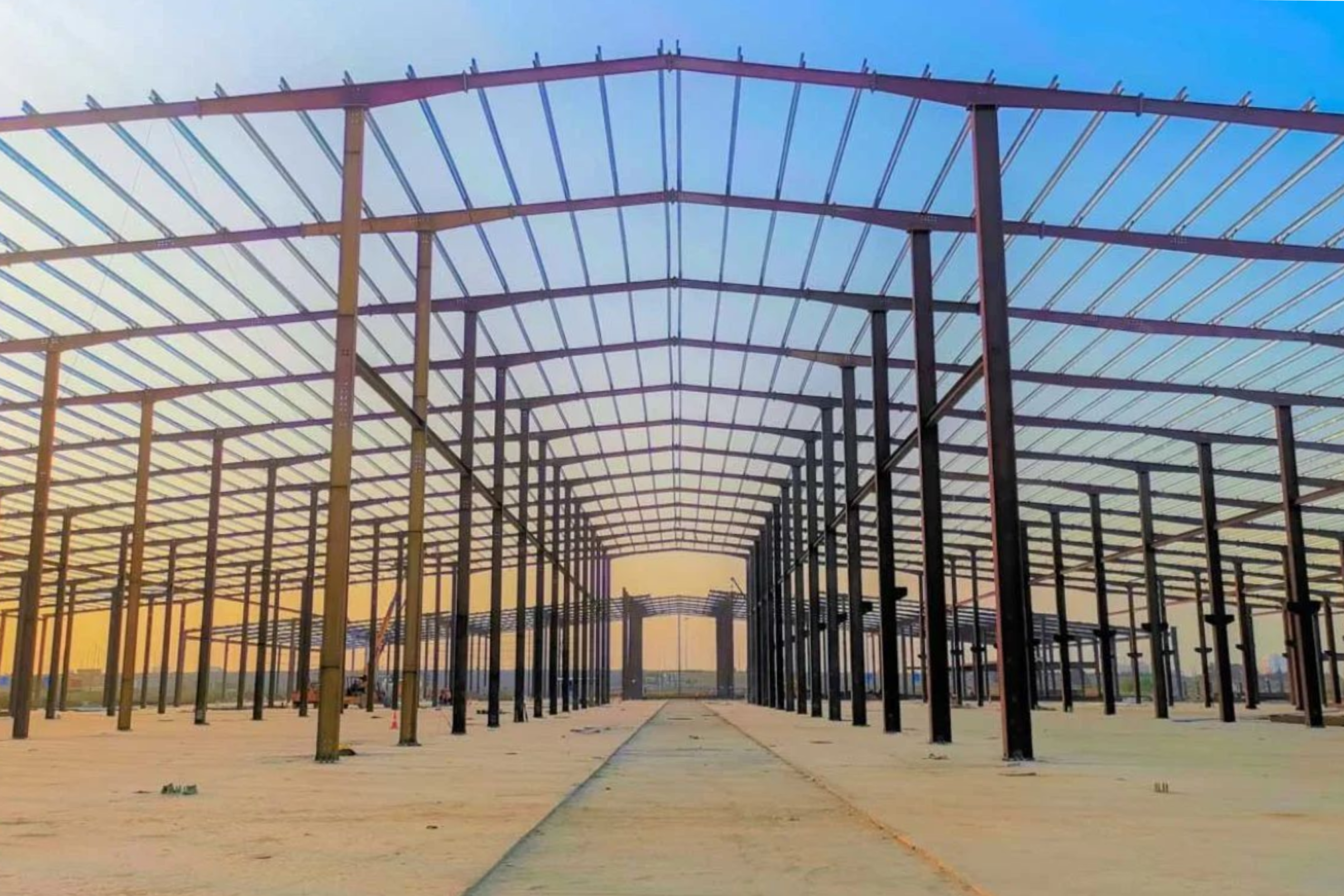
Pre-Engineered Buildings are a whole different ball game – they’re created using specialized computer programs and manufactured in factories where everything is tightly controlled. This approach ensures that each component is meticulously designed to withstand loads, possess strength, and function seamlessly before it even arrives at the construction site. As a result, it eliminates many of the uncertainties and variables that are inherent in traditional building methods, making the entire process more predictable and efficient. With every part carefully planned and precision-made, these buildings can be assembled quickly and with greater accuracy, which is a major advantage over conventional construction techniques.
When you’re building something, one big difference between MS and PEB structures is how quickly they can go up. With MS structures, a lot of the work has to be done right there on the site, and that can really slow things down. Plus, things like bad weather, not having enough workers, and site problems can cause even more delays. But PEB structures are different – they’re made ahead of time, so they can be assembled fast, which really cuts down on the overall project time. This can make a big difference in getting a project finished.
When you’re thinking about the cost, a lot of people make mistakes. They assume that MS structures are cheaper at first, but what they don’t realize is that there are a lot of extra costs that come up later. For example, you’ve got wasted materials, workers who aren’t being used efficiently, and delays – all of these things add up and increase the total cost. But with PEB structures, even though they might be a bit more expensive to start with, they’re actually a better value in the long run. This is because they’re designed to be more efficient, and they can be built a lot faster, which saves you money and time.
When you’re talking about getting the most out of your building’s structure, Pre-Engineered Buildings, or PEBs, have a big advantage over traditional construction methods that use Mild Steel, or MS. The thing is, with MS, designers often play it safe and add extra materials, just in case, which means they end up using more than they really need. But PEBs are designed with precision, taking into account the exact loads and stresses that the building will face. This approach makes them more efficient and, in the long run, more budget-friendly. By using only the materials that are actually needed, PEBs can help cut down on waste and save money, which makes them a smart choice for both builders and owners. Plus, it’s just a more sensible way to build, when you think about it – why use more materials than you need to, when you can get the job done with less?
Building with high-quality materials is crucial. When it comes to MS structures, the workers on site need to have a lot of skill and expertise. If they’re not all on the same page, it can really impact the final result. But PEB components are different – they’re made in factories where everything is tightly controlled, so you can be sure they’ll be consistent and reliable. This consistency is key, because it means you can trust that every component will meet the same high standards. And when you’re working on a big project, that kind of reliability can make all the difference.
One major advantage of Pre-Engineered Buildings is their ability to be easily expanded. In today’s fast-paced business world, companies need to be able to adapt and grow quickly. PEB structures are designed with flexibility in mind, allowing them to be extended in the future without requiring significant changes to the building’s framework. This is a major plus, especially when compared to traditional MS structures, which can be inflexible and difficult to expand. For companies that are experiencing rapid growth, this inflexibility can be a significant problem. With PEB structures, businesses can easily add new space as needed, making it an attractive option for companies that are looking to expand their operations.
There are times when metal structures are still a good option. This might be for smaller projects, special designs, or when budgets are very tight. But for big industrial projects, pre-engineered buildings are becoming more popular.
When buying industrial infrastructure, a common error people make is focusing solely on the initial cost. However, the reality is that this type of investment is a long-term one. It’s essential to think about factors like durability, maintenance requirements, potential for expansion, and operational efficiency. By taking a closer look, you’ll realize that Pre-Engineered Buildings, or PEBs, are actually the more cost-effective option in the long run. They offer a range of benefits that can save you money and hassle over time. For instance, PEBs are designed to be durable and require minimal maintenance, which can significantly reduce your costs over the years. Additionally, they can be easily expanded or modified to meet your changing needs, making them a flexible and efficient choice. Overall, while the initial cost of a PEB might be higher, its long-term benefits and cost savings make it a smarter investment for industrial infrastructure.
The industry trend clearly indicates a shift towards PEB. Businesses are prioritising speed, efficiency, and scalability. Delays and inefficiencies are no longer acceptable in competitive markets. PEB addresses these challenges effectively.
In conclusion, the choice between MS and PEB is not just about construction; it is about business strategy. For companies looking to build future-ready infrastructure, PEB provides a more efficient.