When businesses plan industrial construction, the first instinct is almost always to minimise cost. That instinct is understandable but flawed. In industrial construction, price is visible immediately, while the impact of engineering decisions unfolds over the years. The problem is that by the time poor engineering starts showing consequences, the damage is already done.
Industrial buildings are not just stationary objects, they are actually working structures that have to handle heavy loads, support big machines, and deal with harsh weather conditions, all while running non-stop. Every single decision made during the design process has a big impact on how well the building performs its job. If engineers cut corners to save money upfront, the building can end up being a money pit in the long run, rather than a valuable asset that helps get work done efficiently.
In cities like Jabalpur, where industrial growth is steadily increasing, businesses are beginning to realise that infrastructure is directly tied to operational efficiency. A poorly engineered industrial shed or PEB structure leads to wasted space, workflow inefficiencies, and higher energy consumption. These are not small issues. They compound over time and reduce profitability.
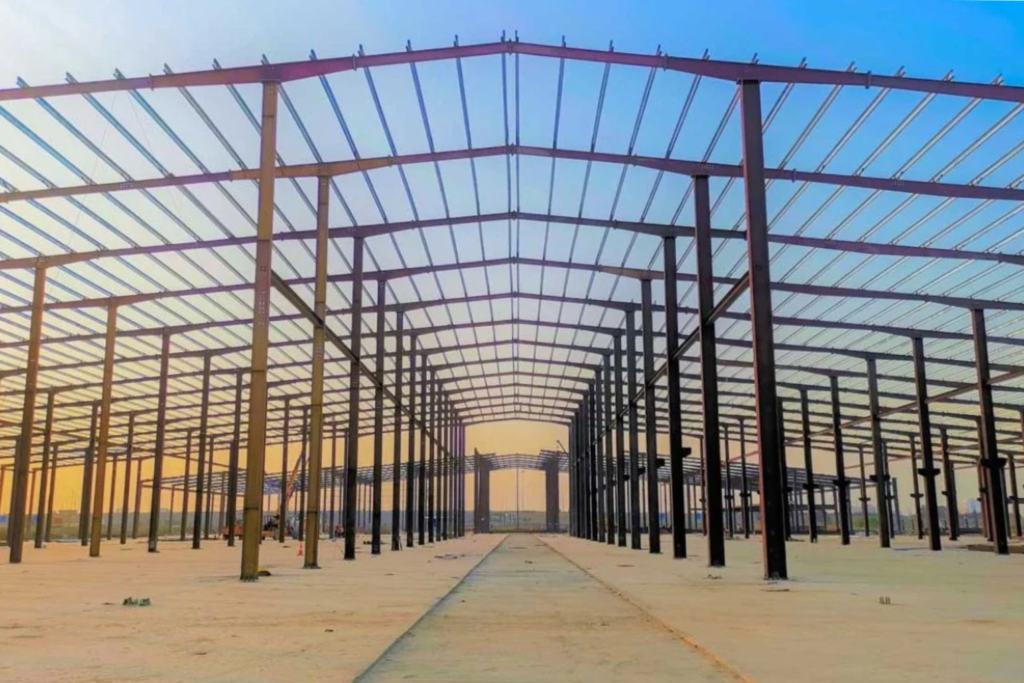
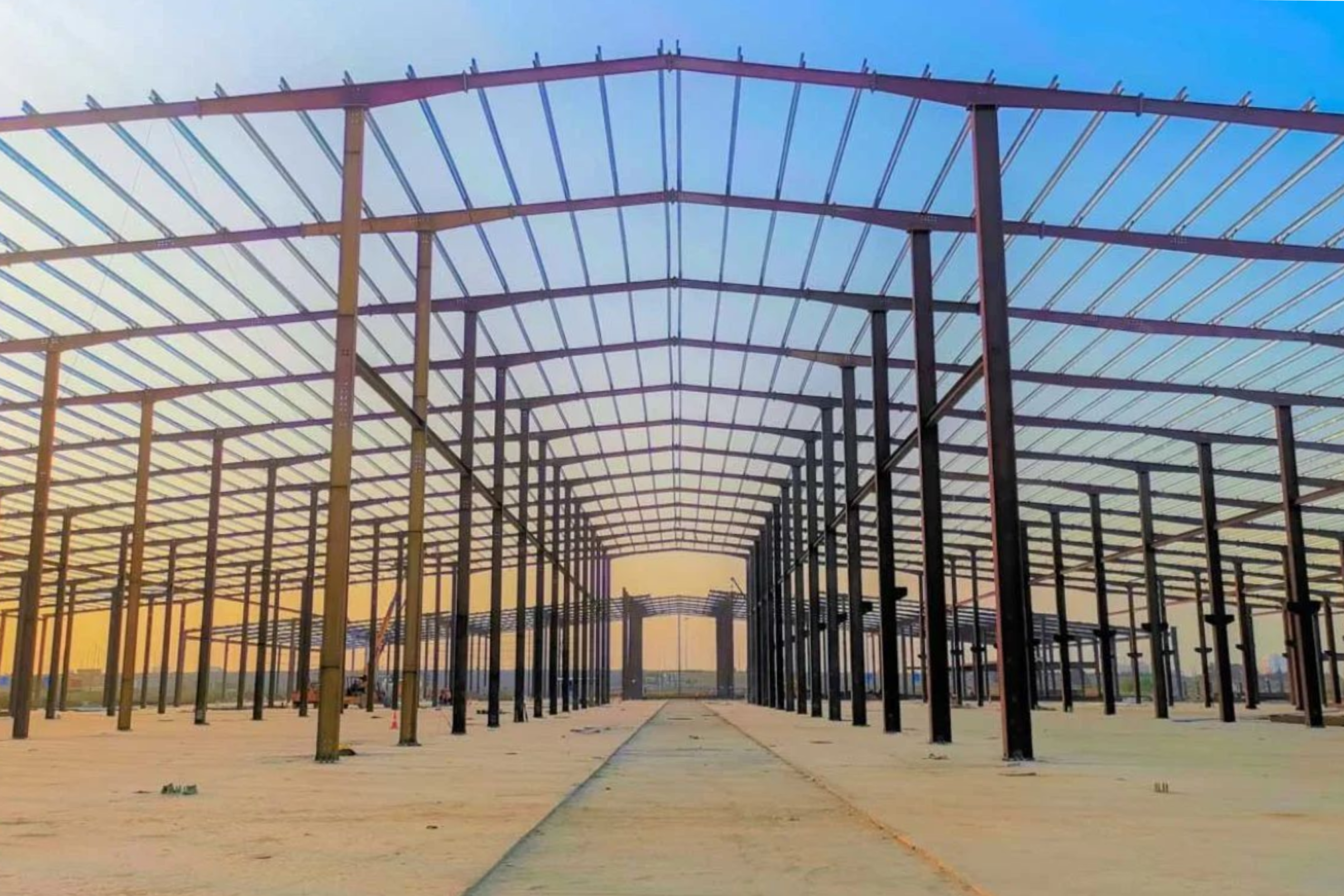
A well-engineered PEB structure is designed with precision. Load distribution is calculated accurately, ensuring that the structure can handle operational stress without deformation or failure. The placement of columns, beams, and joints is optimised to maximise usable space. This means fewer obstructions, better movement of goods, and improved workflow inside the facility.
On the other hand, when engineering is treated as secondary, the result is often a structure that looks fine initially but performs poorly under real conditions. Misaligned loads, weak connections, and improper design can lead to structural fatigue. Repairs become frequent, and downtime increases, directly affecting business operations.
Material selection is another area where engineering plays a critical role. High-quality profile sheets and structural steel are not just about durability; they influence insulation, resistance to corrosion, and overall performance of the building. Without proper engineering, even good materials can be misused, reducing their effectiveness.
Ventilation and natural lighting are also engineering decisions, not afterthoughts. A well-designed industrial shed allows proper airflow and light distribution, reducing dependency on artificial systems. This lowers operational costs and creates a better working environment. Poorly engineered structures often ignore these aspects, leading to uncomfortable conditions and increased energy expenses.
When companies grow, they often face a big challenge: scalability. This means being able to get bigger and better without too much trouble. The thing is, growth doesn’t always happen in a straightforward way. Needs change, production goes up, and operations get bigger. If a company’s structure can’t adapt, it can hold them back. That’s where engineering comes in – it makes sure that growth is possible without having to start from scratch. This ability to be flexible is a major plus for Pre-Engineered Buildings, or PEBs, when they’re designed with this in mind.
GR Group approaches industrial construction with an engineering-first mindset. Instead of starting with cost, they begin with structural requirements, operational needs, and long-term goals. This ensures that every project is aligned with the client’s business objectives. The result is infrastructure that performs consistently and supports growth.
When we’re making decisions based on cost, we often overlook the expenses that come up over the life of a project. Just because something is cheaper to build at first, doesn’t mean it’s the best choice in the long run. In fact, it can end up costing more in maintenance, repairs, and wasted time. These extra costs can really add up and end up being more than we saved initially. But engineers can help avoid these problems by making sure things are built to last from the start. They design and plan carefully to prevent inefficiencies and extra expenses down the line. By doing it right the first time, we can save time, money, and hassle in the long run.
Safety is a big concern too. You see, industrial settings have a lot of heavy machinery and big loads moving around all the time. If something fails, it’s not just about losing money, it’s also a major safety risk. That’s why good engineering is so important – it helps keep everything stable and reduces the chances of accidents happening, which protects both the equipment and the people working there.
In Jabalpur, where industry is changing fast, companies that make engineering a priority tend to do better than others. They have fewer problems, spend less on maintenance, and have infrastructure that can handle growth. On the other hand, businesses that only care about saving money often end up with recurring issues that hinder their progress. By investing in good engineering, companies can avoid these problems and focus on expanding their operations. This approach may cost a bit more upfront, but it pays off in the long run. In contrast, constantly trying to cut costs can lead to more expenses and headaches down the line.
The misconception that engineering is an added cost needs to be corrected. It is not an expense but a value multiplier. It enhances performance, reduces long-term costs, and ensures reliability. Ignoring it is not saving money; it is creating future problems.
GR Group is really good at bringing together engineering know-how and hands-on execution. They design structures like PEB, industrial sheds, and tabular sheds, as well as profile sheet solutions, to work well in real-life situations, not just in theory. This way, clients get infrastructure that is efficient, lasts a long time, and can be scaled up as needed. Their approach is all about making sure the structures they build can handle the demands of the real world, and that’s what sets them apart. By combining technical expertise with practical experience, GR Group is able to deliver infrastructure that meets the needs of their clients and helps them achieve their goals.
In the end, the choice between price and engineering is not really a choice. If the goal is long-term growth, operational efficiency, and reliability, engineering must come first. Price can be optimized within that framework, but it should never dictate the quality of construction.